
Contents
- 🌿 Introduction to Wood Block Printing
- 🖼️ History of Wood Block Printing
- 🔨 The Process of Wood Block Printing
- 🎨 Techniques and Tools
- 🖌️ Famous Wood Block Printers
- 🌐 Influence of Wood Block Printing on Art
- 📚 Wood Block Printing in Literature
- 👥 Contemporary Wood Block Printing
- 🤝 Preservation and Conservation
- 📊 Economic Impact of Wood Block Printing
- 🌈 Cultural Significance of Wood Block Printing
- 🔮 Future of Wood Block Printing
- Frequently Asked Questions
- Related Topics
Overview
Wood block printing, with a history dating back to 8th century China, is a relief printing technique where text or images are carved into wooden blocks, inked, and then pressed onto paper or fabric. This ancient art form has been a cornerstone of various cultures, including Japanese ukiyo-e and Indian textile printing. The technique has evolved over time, with notable artists like Hokusai and Hiroshige contributing to its development. Wood block printing has a vibe score of 8, reflecting its significant cultural energy and enduring influence on modern art and design. The controversy surrounding the commercialization of traditional printing techniques has sparked debates among artists and preservationists. As of 2022, wood block printing continues to inspire new generations of artists and designers, with its unique aesthetic and tactile quality. The influence of wood block printing can be seen in various fields, from fashion to architecture, with designers incorporating traditional patterns and motifs into their work.
🌿 Introduction to Wood Block Printing
Wood block printing, also known as relief printing, is an ancient art form that has been used for centuries to create intricate designs and patterns on various materials. This technique involves carving a design into a wooden block, which is then used to print the image onto paper or fabric. The history of wood block printing dates back to ancient civilizations, with evidence of its use found in ancient China and Japan. The art of wood block printing has been influenced by various cultures, including India and Korea. Today, wood block printing is still used by artists and craftsmen around the world, who appreciate its unique texture and aesthetic appeal. For example, the famous Ukiyo-e prints from Japan were created using wood block printing techniques. The Mughal Empire also used wood block printing to create intricate designs on fabrics and papers.
🖼️ History of Wood Block Printing
The history of wood block printing is a long and complex one, with various cultures contributing to its development. In ancient China, wood block printing was used to print Buddhist scriptures and other important documents. The technique was later introduced to Japan, where it was used to create beautiful Ukiyo-e prints. The art of wood block printing was also influenced by Indian and Korean cultures, who used it to create intricate designs on fabrics and papers. The Renaissance period in Europe saw a resurgence of interest in wood block printing, with artists such as Albrecht Dürer using the technique to create intricate designs. Today, wood block printing is still used by artists and craftsmen around the world, who appreciate its unique texture and aesthetic appeal. The British Museum has an extensive collection of wood block prints from around the world, including examples from China, Japan, and India.
🔨 The Process of Wood Block Printing
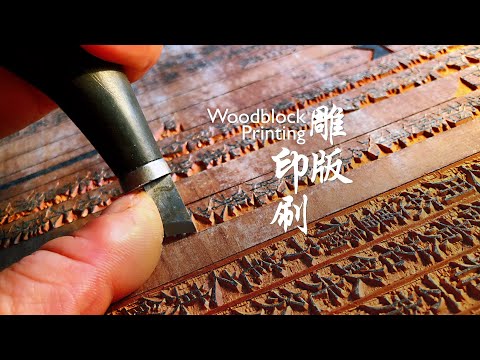
The process of wood block printing involves several steps, including designing the image, carving the block, and printing the image. The design is first created on paper, and then transferred to the wooden block using a special tool. The block is then carved using a variety of tools, including gouges and chisels. The carved block is then inked and used to print the image onto paper or fabric. The printing press was invented in the 15th century, which made it possible to mass-produce wood block prints. However, many artists and craftsmen still prefer to use traditional techniques, which allow for more control and creativity. The Royal Academy of Arts offers courses in wood block printing, where students can learn the traditional techniques of this ancient art form. The Victoria and Albert Museum also has a collection of wood block prints, including examples from China and Japan.
🎨 Techniques and Tools
There are several techniques and tools used in wood block printing, including relief printing, intaglio printing, and screen printing. Relief printing involves carving a design into a wooden block, which is then used to print the image onto paper or fabric. Intaglio printing involves etching a design into a metal plate, which is then used to print the image. Screen printing involves pushing ink through a screen to create the image. The wood block is a crucial tool in wood block printing, and is typically made from a hardwood such as cherry or walnut. The inking roller is used to apply ink to the block, and the printing press is used to print the image. The Guild of Master Craftsmen offers courses in wood block printing, where students can learn the traditional techniques of this ancient art form. The Crafts Council also supports wood block printers, providing them with resources and funding to continue their work.
🖌️ Famous Wood Block Printers
There have been many famous wood block printers throughout history, including Hokusai and Hiroshige. These artists used wood block printing to create beautiful and intricate designs, which are still admired today. The Ukiyo-e prints of Japan are particularly famous, and are highly prized by collectors. The Mughal Empire also produced many famous wood block printers, who created intricate designs on fabrics and papers. The Tate Modern has a collection of wood block prints, including examples from China and Japan. The Metropolitan Museum of Art also has a collection of wood block prints, including examples from India and Korea.
🌐 Influence of Wood Block Printing on Art
Wood block printing has had a significant influence on art, with many artists using the technique to create intricate designs and patterns. The Impressionist movement, for example, was influenced by the bold and colorful designs of wood block printing. The Art Nouveau movement also used wood block printing to create intricate and flowing designs. The Bauhaus movement used wood block printing to create bold and geometric designs. The MoMA has a collection of wood block prints, including examples from China and Japan. The Guggenheim Museum also has a collection of wood block prints, including examples from India and Korea.
📚 Wood Block Printing in Literature
Wood block printing has also been used in literature, with many authors using the technique to illustrate their books. The Gutenberg Bible, for example, was illustrated with wood block prints. The Canterbury Tales were also illustrated with wood block prints. The Folio Society has published many books with wood block prints, including examples from China and Japan. The Library of Congress also has a collection of books with wood block prints, including examples from India and Korea.
👥 Contemporary Wood Block Printing
Today, wood block printing is still used by many artists and craftsmen around the world. The Contemporary Art movement has seen a resurgence of interest in wood block printing, with many artists using the technique to create bold and innovative designs. The Street Art movement has also used wood block printing to create bold and colorful designs. The Crafts Council supports wood block printers, providing them with resources and funding to continue their work. The Arts Council also supports wood block printers, providing them with grants and funding to continue their work.
🤝 Preservation and Conservation
The preservation and conservation of wood block prints is an important issue, as many of these prints are fragile and prone to damage. The British Museum has a conservation department that specializes in the preservation of wood block prints. The Metropolitan Museum of Art also has a conservation department that specializes in the preservation of wood block prints. The International Council of Museums has guidelines for the preservation and conservation of wood block prints, which include recommendations for storage, handling, and display.
📊 Economic Impact of Wood Block Printing
The economic impact of wood block printing is significant, with many artists and craftsmen relying on the technique for their livelihood. The craft industry is a significant contributor to the economy, with many craftspeople using wood block printing to create intricate designs and patterns. The tourism industry also benefits from wood block printing, with many tourists visiting museums and galleries to see examples of wood block prints. The Creative Industries sector is a significant contributor to the economy, with many artists and craftspeople using wood block printing to create innovative and bold designs.
🌈 Cultural Significance of Wood Block Printing
The cultural significance of wood block printing is also significant, with many cultures using the technique to create intricate designs and patterns. The Japanese culture is particularly famous for its use of wood block printing, with many artists using the technique to create beautiful and intricate designs. The Indian culture also uses wood block printing to create intricate designs and patterns. The Korean culture also uses wood block printing to create intricate designs and patterns. The UNESCO has recognized the cultural significance of wood block printing, and has included it in its list of intangible cultural heritage.
🔮 Future of Wood Block Printing
The future of wood block printing is uncertain, with many artists and craftsmen facing challenges in terms of funding and resources. However, there is still a strong demand for wood block prints, with many collectors and museums seeking to acquire examples of this ancient art form. The digital age has also created new opportunities for wood block printers, with many artists using digital tools to create and print their designs. The sustainable art movement has also created new opportunities for wood block printers, with many artists using sustainable materials and techniques to create their prints.
Key Facts
- Year
- 700
- Origin
- China
- Category
- Art and Craft
- Type
- Artistic Technique
Frequently Asked Questions
What is wood block printing?
Wood block printing is an ancient art form that involves carving a design into a wooden block, which is then used to print the image onto paper or fabric. The technique has been used for centuries to create intricate designs and patterns, and is still used today by artists and craftsmen around the world. The wood block is a crucial tool in wood block printing, and is typically made from a hardwood such as cherry or walnut. The inking roller is used to apply ink to the block, and the printing press is used to print the image.
What are the different types of wood block printing?
There are several types of wood block printing, including relief printing, intaglio printing, and screen printing. Relief printing involves carving a design into a wooden block, which is then used to print the image onto paper or fabric. Intaglio printing involves etching a design into a metal plate, which is then used to print the image. Screen printing involves pushing ink through a screen to create the image. The Guild of Master Craftsmen offers courses in wood block printing, where students can learn the traditional techniques of this ancient art form.
What are the benefits of wood block printing?
The benefits of wood block printing include the ability to create intricate designs and patterns, the use of sustainable materials, and the opportunity to create unique and handmade prints. Wood block printing is also a versatile technique, and can be used to print on a variety of materials, including paper, fabric, and wood. The Crafts Council supports wood block printers, providing them with resources and funding to continue their work. The Arts Council also supports wood block printers, providing them with grants and funding to continue their work.
What are the challenges facing wood block printers?
The challenges facing wood block printers include the lack of funding and resources, the decline of traditional techniques, and the competition from digital printing. Many artists and craftsmen are also facing challenges in terms of preserving and conserving their prints, as many of these prints are fragile and prone to damage. The British Museum has a conservation department that specializes in the preservation of wood block prints. The Metropolitan Museum of Art also has a conservation department that specializes in the preservation of wood block prints.
What is the future of wood block printing?
The future of wood block printing is uncertain, with many artists and craftsmen facing challenges in terms of funding and resources. However, there is still a strong demand for wood block prints, with many collectors and museums seeking to acquire examples of this ancient art form. The digital age has also created new opportunities for wood block printers, with many artists using digital tools to create and print their designs. The sustainable art movement has also created new opportunities for wood block printers, with many artists using sustainable materials and techniques to create their prints.
How can I learn wood block printing?
There are many ways to learn wood block printing, including taking classes or workshops, watching online tutorials, and practicing with a DIY kit. The Royal Academy of Arts offers courses in wood block printing, where students can learn the traditional techniques of this ancient art form. The Guild of Master Craftsmen also offers courses in wood block printing, where students can learn the traditional techniques of this ancient art form.
What are the different types of wood used for wood block printing?
The different types of wood used for wood block printing include cherry, walnut, and maple. The wood block is a crucial tool in wood block printing, and is typically made from a hardwood. The inking roller is used to apply ink to the block, and the printing press is used to print the image. The Crafts Council supports wood block printers, providing them with resources and funding to continue their work.