
Contents
Overview
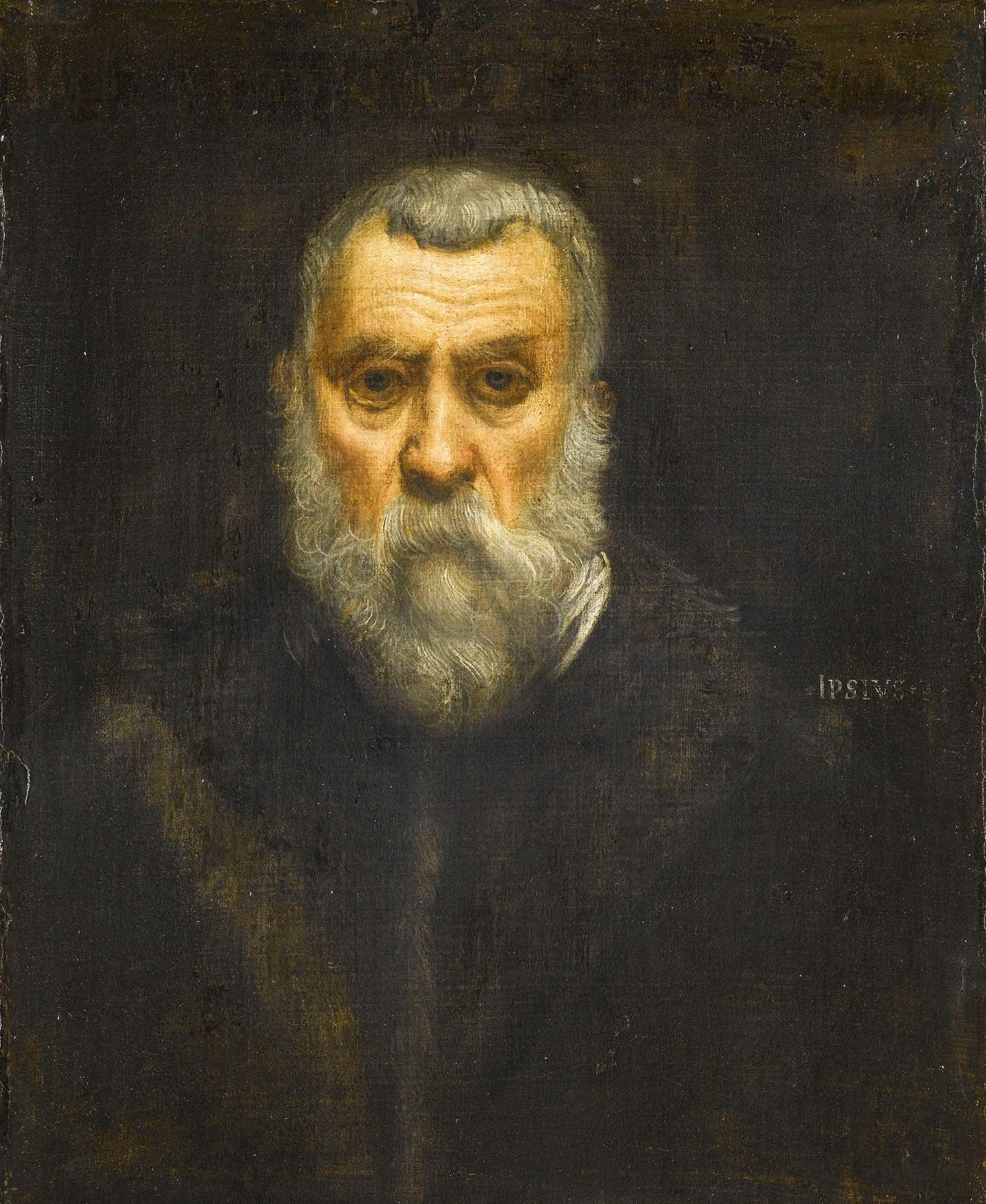
Tintoretto, born Jacopo Robusti, was a prominent figure in the Venetian Renaissance, known for his extraordinary energy and bold brushwork. His training under Bonifacio de' Pitati and Sebastiano del Piombo laid the foundation for his unique style, which was further influenced by the works of Leonardo da Vinci and Raphael. Tintoretto's innovative use of perspective and chiaroscuro, as seen in his famous work 'The Last Supper', was a testament to his skill and creativity.
🖌️ Style & Technique
Tintoretto's style was characterized by muscular figures, dramatic gestures, and bold use of perspective, which was often criticized by his contemporaries for being too unconventional. However, his speed and energy in painting earned him the nickname 'il Furioso' (the Furious), and his works were highly sought after by patrons such as Jacopo Sansovino and Francesco I de' Medici. Tintoretto's use of color and light, as seen in his depiction of 'Susanna and the Elders', was also influenced by the works of Paolo Veronese and Jacopo Bassano.
🌍 Cultural Impact
Tintoretto's cultural impact was significant, as he played a crucial role in shaping the Venetian school of painting. His innovative techniques and bold style influenced a generation of artists, including Caravaggio and Diego Velázquez. Tintoretto's works can be found in prominent museums and galleries, such as the Gallerie dell'Accademia and the National Gallery, and his legacy continues to inspire artists and art lovers alike. The Venetian school of painting, which included artists such as Tintoretto, Titian, and Paolo Veronese, was known for its emphasis on color and light.
🔮 Legacy & Influence
Tintoretto's legacy extends beyond his own works, as he influenced a wide range of artists and styles. His use of chiaroscuro and perspective can be seen in the works of Rembrandt and Johannes Vermeer, and his emphasis on drama and emotion can be seen in the works of Francisco de Goya and Edvard Munch. As a testament to his enduring influence, Tintoretto's works continue to be celebrated and studied by art historians and enthusiasts around the world, including those at the Prado Museum and the Louvre.
Key Facts
- Year
- 1518-1594
- Origin
- Venice, Italy
- Category
- history
- Type
- person
Frequently Asked Questions
What was Tintoretto's style characterized by?
Tintoretto's style was characterized by muscular figures, dramatic gestures, and bold use of perspective, often using chiaroscuro to create a sense of depth and emotion. His works, such as 'The Last Supper', were influenced by the styles of Leonardo da Vinci and Raphael.
Who influenced Tintoretto's style?
Tintoretto's style was influenced by the works of Titian, Michelangelo, and Sebastiano del Piombo. He was also influenced by the architecture of Jacopo Sansovino and the artistic movements of the time, including the Venetian school of painting.
What was Tintoretto's legacy?
Tintoretto's legacy extends beyond his own works, as he influenced a wide range of artists and styles. His use of chiaroscuro and perspective can be seen in the works of Rembrandt and Johannes Vermeer, and his emphasis on drama and emotion can be seen in the works of Francisco de Goya and Edvard Munch.
Where can Tintoretto's works be found?
Tintoretto's works can be found in prominent museums and galleries, such as the Gallerie dell'Accademia and the National Gallery. His works are also on display in churches and public buildings in Venice, including the Scuola Grande di San Rocco.
What was Tintoretto's relationship with other artists?
Tintoretto was a contemporary of Caravaggio and Diego Velázquez, and his works were influenced by the styles of Leonardo da Vinci and Raphael. He was also influenced by the artistic movements of the time, including the Mannerist style.