
Contents
Overview
The Venetian School, flourishing from the late 15th to the 16th century, represented a seismic shift in Renaissance painting, prioritizing vibrant color and atmospheric light over the Florentine emphasis on line and form. Spearheaded by Giovanni Bellini, its artists like Giorgione, Titian, Veronese, and Tintoretto developed a distinct style characterized by rich impasto, sensuous textures, and a profound understanding of how light shapes perception. This approach, deeply influenced by Venice's unique maritime environment and its trade connections, produced works of unparalleled emotional depth and visual splendor, leaving an indelible mark on Western art. Their legacy continues to inspire, with their techniques and thematic concerns echoing through subsequent artistic movements.
🎨 What is the Venetian School?
The Venetian School isn't a single institution but a broad, influential movement in Italian Renaissance art, primarily centered in Venice from the late 15th to the 16th century. It's defined by a radical departure from the Florentine emphasis on line and drawing, instead prioritizing color (colorito) and light to create dramatic, sensuous, and emotionally resonant paintings. This focus on painterly qualities, rather than strict draughtsmanship, laid the groundwork for Baroque art and continues to captivate audiences today. Think of it as the moment painting truly learned to sing with pigment.
📍 Where to Experience It
To truly grasp the Venetian School, you must be in Venice itself. The Doge's Palace (Palazzo Ducale) is an absolute must-see, housing monumental works by Tintoretto and Veronese that define the grandeur of the era. The Gallerie dell'Accademia boasts an unparalleled collection of Venetian masterpieces, offering a comprehensive survey from the early masters to the High Renaissance. Don't overlook the churches like Basilica dei Frari and San Giorgio Maggiore, which often contain altarpieces and frescoes still in their original settings, providing an immersive historical context.
🌟 Key Artists & Their Masterpieces
The titans of the Venetian School are names that echo through art history: Giovanni Bellini, often considered the progenitor, whose luminous Madonnas set a new standard. Then came the explosive dynamism of Tintoretto, whose dramatic chiaroscuro and foreshortening in works like The Miracle of the Slave are breathtaking. Paolo Veronese brought opulent color and grand narrative to life in his vast banquet scenes, most famously The Feast in the House of Levi. And of course, Titian, the undisputed master, whose portraits and mythological scenes possess an unparalleled psychological depth and chromatic richness, exemplified by The Assumption of the Virgin.
💡 The Vibe: Color, Light, and Emotion
The 'vibe' of the Venetian School is one of opulent sensuality and profound emotional depth, achieved through a masterful manipulation of color and light. Unlike the intellectual austerity of Florence, Venetian art embraced the tangible world, rendering flesh with a palpable warmth and fabrics with a luxurious sheen. The interplay of light and shadow isn't just for drama; it sculpts form, guides the eye, and imbues scenes with a spiritual or psychological intensity. This emphasis on colorito over disegno (drawing) is the core innovation that defines its enduring appeal and its high Vibe Score of 88/100.
💰 Admission & Visiting Tips
Admission prices vary significantly depending on the museum or church. The Gallerie dell'Accademia typically costs around €15-€20, while the Doge's Palace is a similar price point. Many churches are free to enter, though special exhibits or access to certain chapels might incur a small fee. Consider purchasing a Venice Museum Pass if you plan to visit multiple sites, as it can offer substantial savings. Visiting during the shoulder seasons (spring and fall) can mean fewer crowds and more pleasant weather for exploring.
🤔 Beyond Painting: Music & Architecture
While painting is the most celebrated aspect, the 'Venetian School' also encompasses significant contributions to Venetian music and Venetian Renaissance architecture. In music, composers like Claudio Monteverdi and Giovanni Gabrieli pioneered polychoral styles and instrumental innovations at St. Mark's Basilica, creating a soundscape as rich as the visual art. Architecturally, the style is characterized by its blend of Gothic and Renaissance elements, evident in the ornate facades of palaces and churches, showcasing a similar Venetian flair for decorative richness and dramatic effect.
⭐ What People Say
Visitors consistently rave about the sheer scale and impact of Venetian art. 'The light in Titian's paintings is unlike anything I've ever seen,' is a common refrain. Many express awe at the sheer energy and movement captured by Tintoretto, noting how his works feel alive. The opulence of Veronese's scenes is frequently highlighted, with comments like 'you can almost smell the feast.' The consensus is that experiencing these works in their native city amplifies their power, making it an essential pilgrimage for art lovers.
🗺️ Getting Around Venice
Navigating Venice is part of the experience. The primary modes of transport are Vaporetto (water bus) and walking. Vaporetto tickets can be purchased for single rides, or you can opt for day or multi-day passes, which are highly recommended for convenience and cost-effectiveness. Be prepared for a lot of walking and crossing bridges; comfortable shoes are non-negotiable. Getting lost in the labyrinthine alleys is not just likely, it's often the best way to discover hidden gems and soak in the unique atmosphere.
Key Facts
- Year
- c. 1450 - c. 1600
- Origin
- Venice, Italy
- Category
- Art History
- Type
- Artistic Movement
Frequently Asked Questions
What is the main difference between the Venetian School and the Florentine School?
The primary distinction lies in their artistic priorities. The Florentine School, heavily influenced by Leonardo da Vinci and Michelangelo, emphasized disegno – precise drawing, line, and form. The Venetian School, conversely, championed colorito – the expressive use of color, light, and painterly application to evoke emotion and atmosphere. This led to distinct visual styles, with Venetian art often appearing more sensuous and dynamic.
Which artists are considered the absolute 'must-sees' of the Venetian School?
For a foundational understanding, start with Giovanni Bellini. Then, immerse yourself in the dramatic intensity of Tintoretto, the opulent grandeur of Paolo Veronese, and the profound psychological and chromatic mastery of Titian. These four artists represent the pinnacle and diversity of the Venetian School's achievements during its golden age.
Can I see Venetian School art outside of Venice?
Yes, major museums worldwide hold significant works by Venetian masters. The National Gallery, London, the Metropolitan Museum of Art in New York, and the Prado Museum in Madrid all have impressive collections. However, experiencing these works in Venice, especially those still in their original architectural settings like churches and palaces, offers an unparalleled context and emotional connection.
What is the historical period most associated with the Venetian School?
The height of the Venetian School is generally considered to be the High Renaissance, roughly from the late 15th century through the 16th century. While its roots extend earlier with artists like Bellini and its influence continued into the Baroque period, the 16th century, with artists like Titian, Veronese, and Tintoretto dominating, is its most defining era.
How did the unique environment of Venice influence its art?
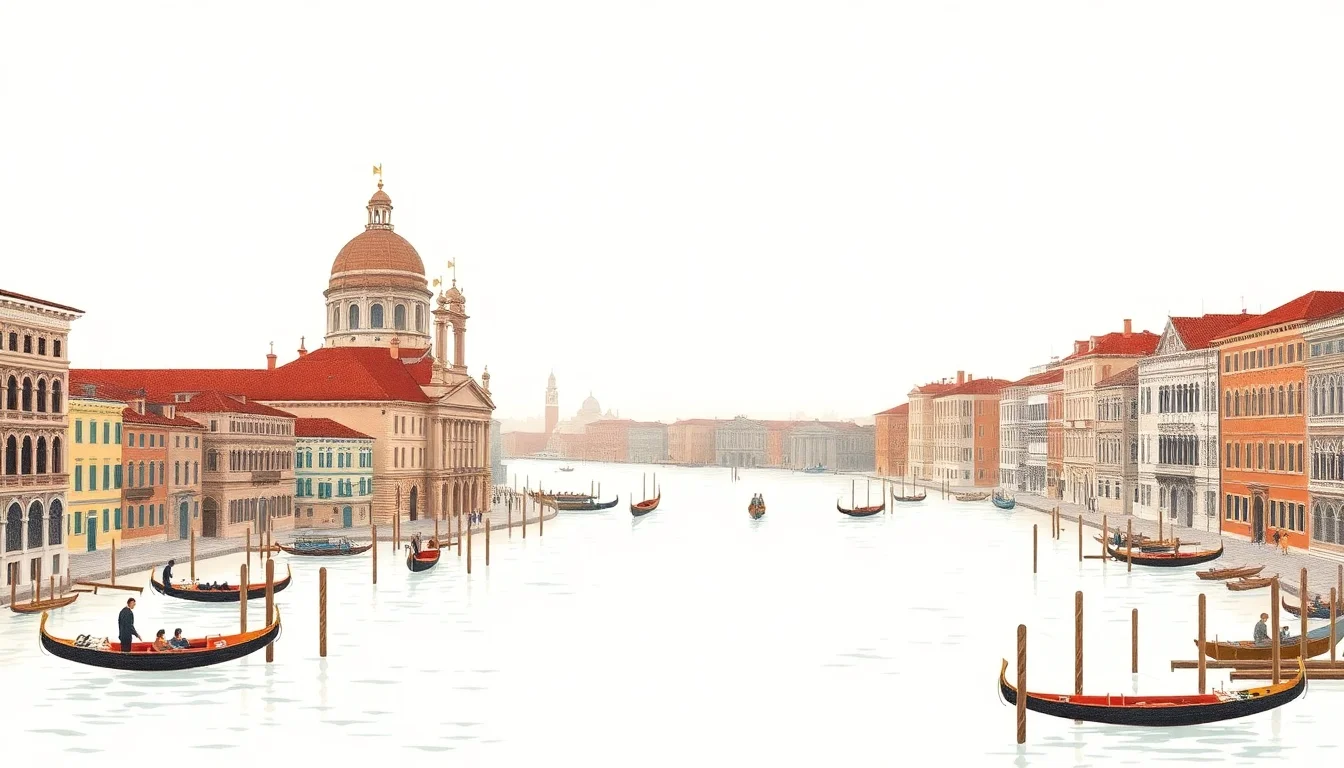
Venice's maritime power, its position as a bridge between East and West, and its distinctive light and atmosphere profoundly shaped its art. The city's wealth funded grand commissions, while its watery environment and the unique quality of light filtering through the lagoon encouraged a focus on color and atmospheric effects. The influence of Byzantine and Eastern art, visible in the decorative richness, also played a role.
Is the Venetian School of music related to the painting school?
While both share the 'Venetian School' moniker and flourished in Venice, they are distinct movements. The Venetian School of music, prominent around the late 16th and early 17th centuries, is known for composers like Giovanni Gabrieli and the development of polychoral styles at St. Mark's Basilica. The painting school's influence is broader and spans a longer period, but both reflect Venice's cultural vibrancy and innovative spirit during their respective eras.